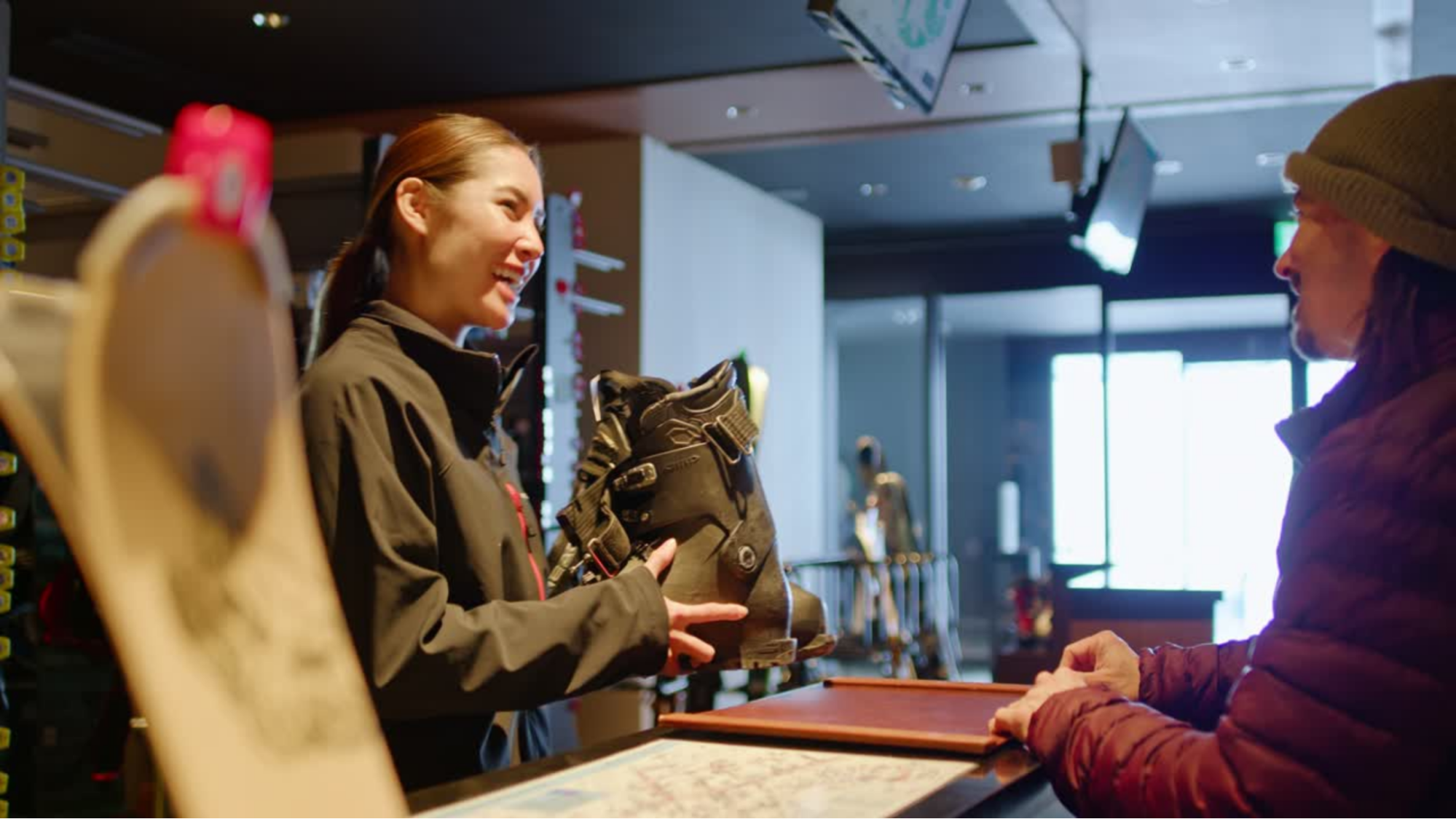
If you've worked a ski season, you've probably handled a lift line on a powder day, kept a packed lodge running during a rush or adjusted on the fly when a storm changed everything about your shift. That’s not just getting through the season. That’s building skills that carry into any job or industry. The problem is most people don’t write it that way.
What seasonal work actually builds
Customer service under pressure. Tourists are tired, cold, and sometimes frustrated. Handling lift lines, rentals, or a packed lodge on a busy day and staying professional through all of it, is a skill.
Operations experience. Keeping things running smoothly during a rush means managing inventory, timing, safety protocols, and people, often all at once. That's operational work, whether or not the title says so.
Adaptability. Weather changes. Crowds change. Demand changes by the hour. Adjusting on the fly, all season long, builds a kind of flexibility that's hard to teach.
Hiring managers know this, if you tell them.
How to actually put this on your resume
Most seasonal workers describe the job instead of the skill. Compare these two:
"Worked as lift operator during ski season."
"Managed high-volume guest flow (2,000+ daily), maintaining safety and service quality under time pressure."
Same job. Different signal.
A few things to try:
- Lead with the skill, not the season. Use language like "high-volume operations" or "customer service under pressure," words a hiring manager for any role will recognize.
- Quantify what you can. Guests served per day, team size, hours covered during peak weeks.
- Stack multiple seasons together. "Three seasons in guest-facing mountain operations" reads as consistency and not gaps.
Looking for your next season, or your next step? Browse open roles at truckeenorthtahoejobs.com.